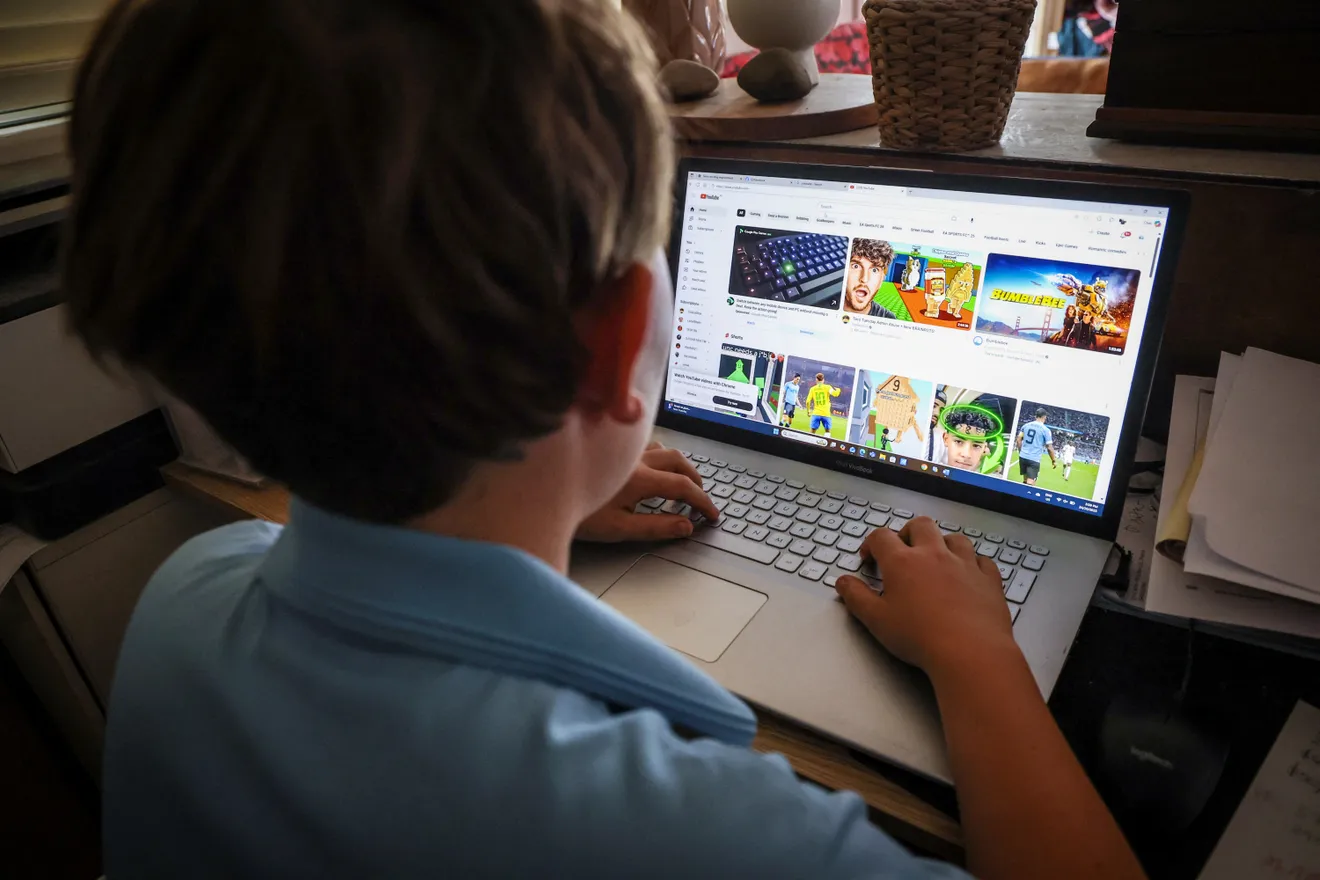
Two mothers who lost children after online harms urge Sen. Marsha Blackburn to reject any deal that weakens the Kids Online Safety Act or shields social media companies from accountability.
Maurine Molak and Deb Schmill
U.S. Sen. Marsha Blackburn is a key proponent of the Kids Online Safety Act (KOSA), which would require social media companies to prioritize child safety.
The article shares stories of teenagers who died by suicide or overdose after experiencing online bullying, addiction and exploitation.
Tennesseans may not realize it, but their U.S. Sen. Marsha Blackburn is a hero to parents all over the country who have lost their kids to the dangers of social media.
For four years, she has pushed to get legislation called KOSA, the Kids Online Safety Act, through Congress. KOSA is groundbreaking legislation that would require social media companies like Instagram, YouTube and Facebook to prioritize children’s safety in their design. She is an able negotiator and will not settle for something less than real protection for children. She approaches this issue as a legislator, but also as a mother and grandmother, at a time when true humanity feels rare in politics. She has listened to and learned from the stories of countless grieving parents – including us.
Erin Popolo of South Brunswick lost her child Emily Murillo at age 16 to online harms in January 2021. Since her daughter’s death, Popolo has been fighting to get the Kids Online Safety Act (KOSA) passed through Congress and into law.
Deb’s daughter, Becca, was a bright, funny, loving child. She loved spending time with her extended family and friends. But when she was 15, she and some friends met a group of 18-year-old boys online. They agreed to meet at a party, where one of the boys drugged and raped Becca.
Becca was never the same after that. In a different era, without social media, she might have healed. But because someone posted a compromising photo of her on Snapchat, she was bullied, and her misery intensified. She had support from her family and therapists, but the stress made her turn to drugs.
When she suffered an overdose, the family temporarily relocated, thinking it might be safer and giving her a fresh start. But there is no escaping social media. She and a friend were able to connect with a drug dealer over Facebook, the day before the girls were due to enter drug treatment. The drugs were laced with fentanyl, and the next day, Becca, who was only 18, was found dead in her bedroom.
Maurine’s story is similar. Her son David was a happy kid, an Eagle Scout and an athlete from a loving, church-going family. But after a basketball injury, he was stuck at home and he began spending a lot of time online, where he developed an online gaming addiction that took a terrible toll on his mental and physical health.
He fell down a social media hole where he found himself the target of harassment and bullying. His family got him professional help and sent him to a different school, but it didn’t work. On Jan. 4, 2016, he took his own life shortly after being added to a group text where he was mocked mercilessly. He was 16.
These stories are all too common because, as courts have ruled in several recent cases, social media companies design their products to addict kids. Once they’re addicted, they’re easy prey for drug dealers, online predators and algorithms that promote dangerous content that can send kids down dangerous and deadly rabbit holes.
Individual parents cannot fight these powerful companies alone, which is why countries all over the world are passing laws to ban the use of social media by young people. KOSA doesn’t go that far. But Senator Blackburn is still reviled by the Big Tech companies because she keeps asking them this question: Why are you knowingly putting profits ahead of children’s lives?
Senator Blackburn, a Republican, is running for the governorship of Tennessee, and if she wins, she will finish her Senate term early. This might be her last chance to help push through KOSA, and that should be her legacy. It would be a legacy that all Tennesseans of every political persuasion could point to and be proud of, because it would save the lives of children everywhere.
We understand that Meta, the owner of Facebook and Instagram, will finally agree to support the bill’s safeguards for children – but only if it gets immunity from the many lawsuits it faces and from states’ child protection laws. But child safety should never be a bargaining chip. We cannot in good conscience force survivor parents to choose between seeking justice for their own families and passing laws to protect other kids. Nor should we undermine the ability of states to pass their own laws to protect kids online.
So we urge Senator Blackburn to say “no!” to any dealmaking and continue to push for lifesaving legislation to advance through committee. Parents will be cheering her on as she does so.

Deb Schmill is the founder and president of the Becca Schmill Foundation, a nonprofit established in memory of her 18-year-old daughter, Becca.
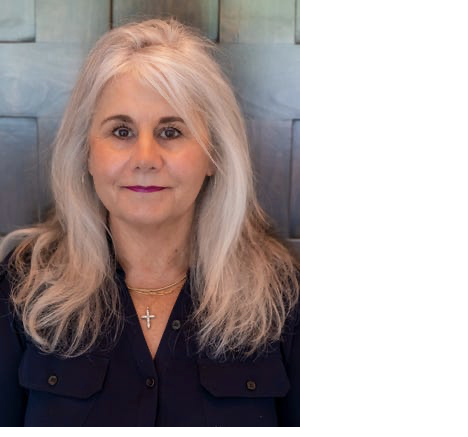
Maurine Molak, mother of David Molak, is the co-founder of David’s Legacy Foundation and a parent advocate for social media reform and suicide prevention.